


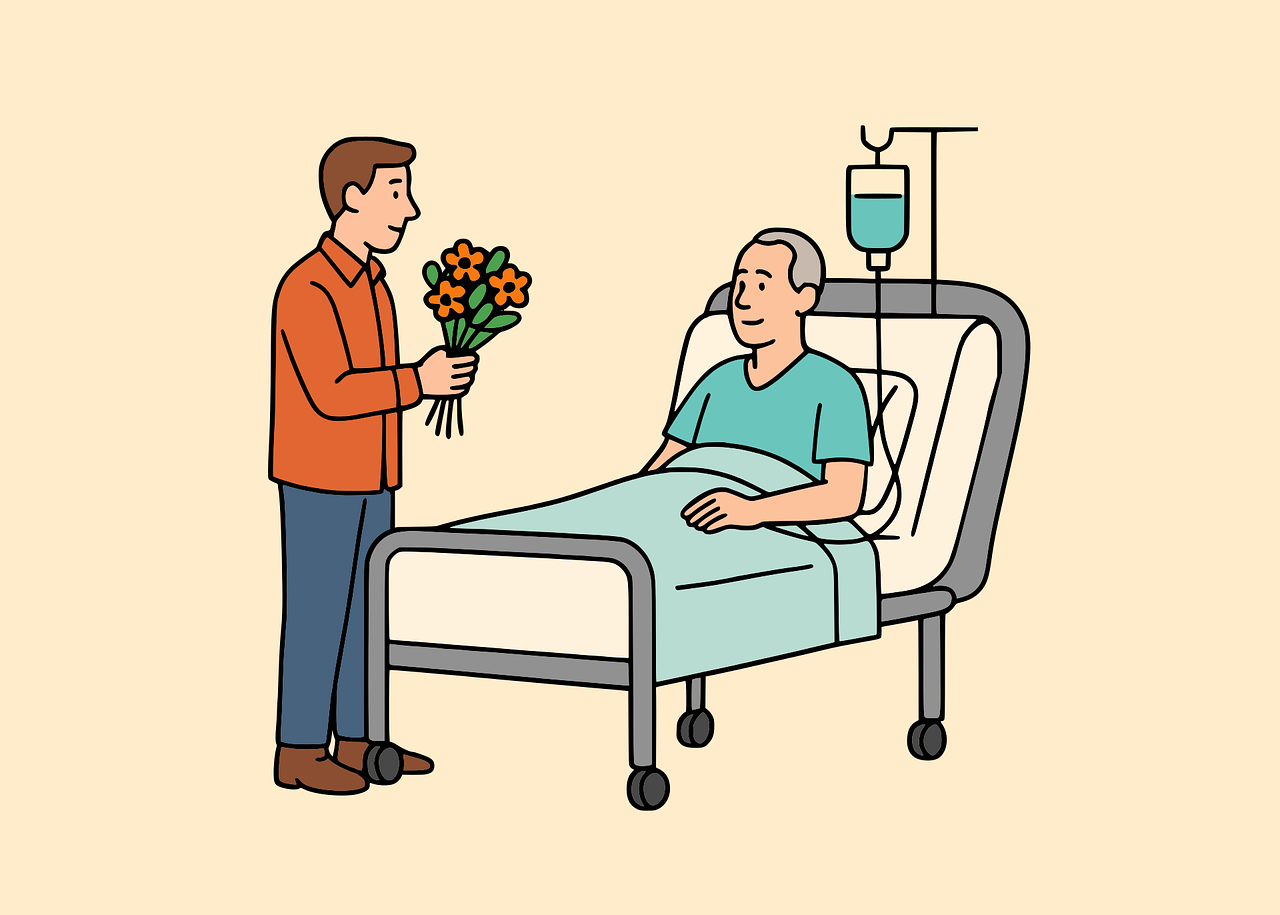
Trauma can shape a young person’s life in profound ways. For adolescents, who are already navigating the complex journey of growing up, experiencing trauma can disrupt emotional, psychological, and social development. Whether the trauma stems from abuse, loss, neglect, bullying, or witnessing violence, its effects can linger and manifest in various ways from anxiety and depression to behavioral problems or substance use.
When traditional outpatient therapy or family interventions aren’t enough, adolescent trauma residential treatment provides the structured, intensive care that young people need to begin truly healing. These specialized programs offer a safe, supportive environment where teens can process their experiences, develop coping skills, and rebuild their sense of self-worth and security.
Understanding Adolescent Trauma
Trauma in adolescents can result from one significant event or repeated exposure to distressing situations. The most common types include:
Physical, emotional, or sexual abuse
Domestic violence or family conflict
Neglect or abandonment
Loss of a loved one
Bullying or cyberbullying
Accidents, natural disasters, or medical trauma
Community violence or traumatic witnessing
Trauma affects each teen differently. Some may internalize their pain and become withdrawn, anxious, or depressed. Others may express it outwardly through anger, defiance, or risk-taking behaviors. Without appropriate intervention, trauma can hinder academic success, strain relationships, and increase the likelihood of self-harm or substance abuse.
What Is Adolescent Trauma Residential Treatment?
Adolescent trauma residential treatment is a specialized therapeutic program designed for teenagers who need 24-hour care and supervision to recover from the effects of trauma. These centers provide a structured, nurturing environment that balances therapy, education, and personal growth.
Unlike outpatient programs, residential treatment removes teens from triggering environments, allowing them to focus fully on healing. They live at the facility for an extended period often 30 to 90 days or longer depending on the severity of their trauma and treatment goals.
The Core Components of Residential Trauma Treatment
A comprehensive residential trauma treatment program for adolescents typically includes multiple therapeutic and supportive components that work together to promote healing and growth:
1. Trauma-Informed Care
Residential programs are built around trauma-informed principles recognizing how trauma impacts behavior, emotions, and thinking. Staff are trained to respond with empathy and understanding rather than punishment, creating a sense of safety and trust for every resident.
2. Individual Therapy
Licensed therapists work one-on-one with each teen to process traumatic memories, identify triggers, and develop healthy coping mechanisms. Techniques such as Cognitive Behavioral Therapy (CBT), Eye Movement Desensitization and Reprocessing (EMDR), and Trauma-Focused CBT (TF-CBT) are commonly used to help teens reframe negative thought patterns and reduce distress.
3. Group Therapy
Sharing experiences with peers who have faced similar struggles helps teens feel less isolated. Group sessions encourage empathy, social skills, and mutual support, fostering a sense of belonging and understanding.
4. Family Therapy
Healing from trauma often involves the entire family. Family therapy sessions repair broken trust, improve communication, and teach parents how to support their child’s ongoing recovery at home.
5. Experiential and Holistic Therapies
Many residential centers integrate creative and holistic therapies such as art therapy, equine therapy, yoga, mindfulness, and music therapy. These activities help teens express themselves nonverbally, reduce stress, and reconnect with their emotions in healthy ways.
6. Academic Support
Adolescent programs often include accredited educational services, allowing students to stay on track with school while in treatment. Maintaining academic progress gives teens a sense of normalcy and purpose during recovery.
7. Life Skills Development
Beyond emotional healing, teens learn practical life skills from communication and conflict resolution to decision-making and emotional regulation preparing them for success after treatment.
Who Can Benefit from Adolescent Trauma Residential Treatment?
Residential trauma treatment is designed for teens whose trauma symptoms significantly interfere with their ability to function in daily life. It’s often recommended for those who:
Experience severe anxiety, depression, or emotional instability
Engage in self-harm or suicidal thoughts
Have difficulty forming or maintaining relationships
Exhibit aggression, defiance, or risky behavior
Struggle academically due to trauma-related stress
Do not respond well to outpatient therapy or school counseling
Each program conducts a detailed assessment to ensure it’s the right fit for the teen’s needs, ensuring personalized care and the best possible outcome.
The Benefits of Adolescent Residential Trauma Treatment
Choosing a residential treatment center for an adolescent can be a difficult decision for families but it can also be the turning point toward recovery and renewal. Here are the key benefits:
1. Safe and Supportive Environment
Residential treatment removes teens from stressful or unsafe surroundings, giving them a secure place to heal without external triggers.
2. Intensive Therapeutic Support
With round-the-clock care and daily therapy sessions, teens receive consistent emotional and psychological support.
3. Community and Connection
Teens build strong bonds with peers and staff, fostering a sense of belonging and emotional safety that supports long-term healing.
4. Emotional Regulation and Coping Skills
Therapists teach teens how to manage emotions, reduce anxiety, and cope with distress in healthy, constructive ways.
5. Family Healing
Parents and siblings are often part of the healing journey, learning strategies to create a healthier and more supportive home environment.
6. Lasting Recovery
Residential treatment focuses on long-term stability. Teens leave with the skills, confidence, and resilience needed to thrive beyond trauma.
Choosing the Right Residential Treatment Center
Finding the right adolescent trauma residential treatment program requires careful consideration. Families should look for facilities that offer:
Accreditation and Licensing: Reputable centers are accredited by organizations like The Joint Commission or CARF.
Trauma-Informed and Evidence-Based Therapies: Ensure the center uses proven therapeutic approaches tailored to trauma recovery.
Qualified Staff: Look for experienced clinicians, psychiatrists, and trauma specialists.
Family Involvement: Programs that integrate family therapy have better long-term outcomes.
Aftercare Planning: Continued support through outpatient therapy and follow-up care is crucial for maintaining progress.
A Path Toward Healing and Hope
Adolescent trauma doesn’t have to define a young person’s future. With the right environment, expert care, and supportive guidance, healing is possible. Adolescent trauma residential treatment gives teens the space, structure, and support they need to process their pain and rebuild their lives with strength and self-worth.
For families watching their child struggle, seeking help isn’t a sign of failure it’s a powerful step toward healing and hope. Every teen deserves the chance to recover, rediscover joy, and move forward with confidence.



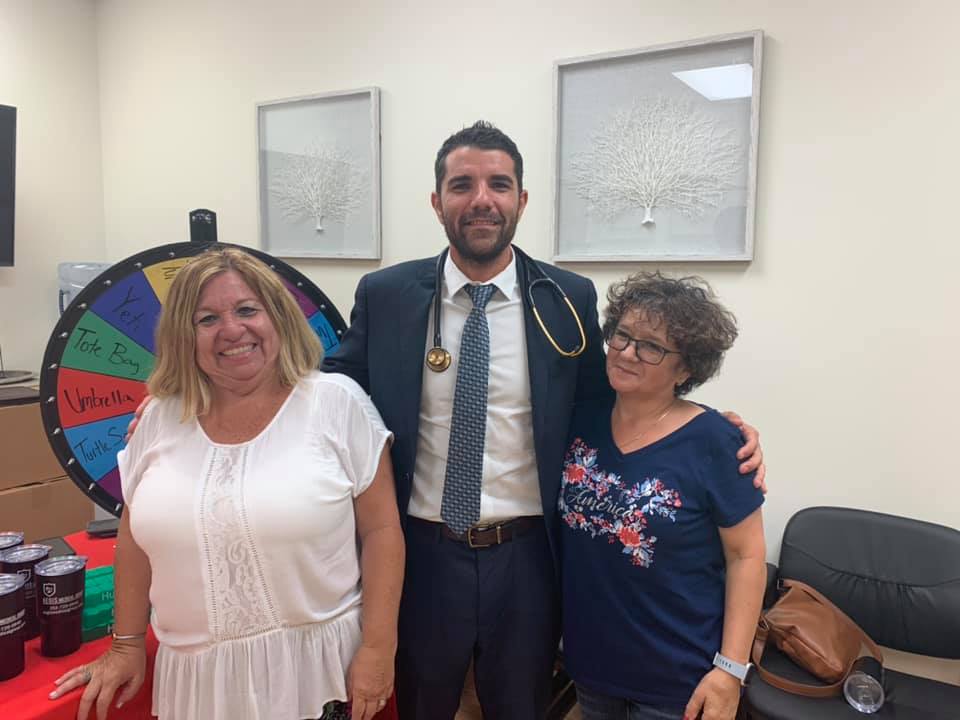
Moreno Internal Medicine is one of the best orthopedic and internal medicine doctors in Celebration FL.
Although most of the time elder person visit for the local treatment, this treatment is very effective for the knee.
And the treatment is called knee infiltration, this is a joint injection treatment and multiples conditions can benefit from it, trauma related, osteoarthritis, diseases that affect the meniscus or cartilage.Call now 4072698550 to schedule an appointment for the Celebration hospital orthopedic doctor.